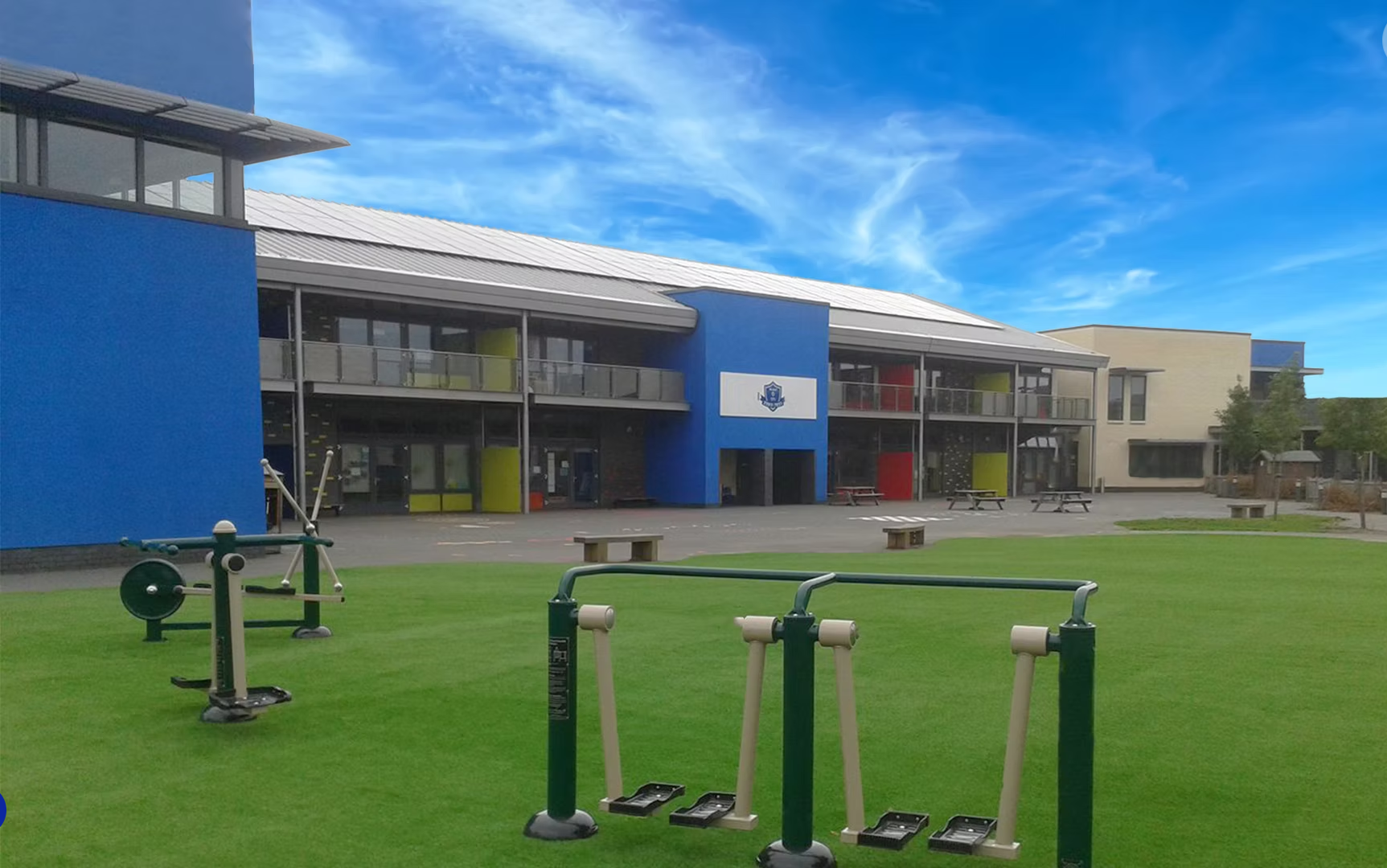
Client: Department for Education – Wohl Ilford Jewish Primary School
Industry: Education
Location: Essex
Case Study at a Glance
Located in Essex, Wohl Ilford Jewish Primary School has experienced repeated internal flooding caused by intense rainfall events and sewer surcharge, disrupting teaching spaces and school operations.
The Department for Education commissioned Watertight to design and implement a Property Flood Resilience scheme that would help towards reducing flood risk, protect teaching facilities and improve longer-term climate resilience for the school estate.
The Challenge
Major flood events occurred in July 2021, October 2021 and August 2022, with foul water entering the school due to surcharging drainage infrastructure in the wider catchment. The July 2021 storm event alone affected over 1,000 properties in the surrounding area, highlighting the severity of drainage pressure impacting the site.
Works needed to be delivered in a live school environment, which not only requires strict safeguarding procedures, but also requires a robust delivery plan to minimise any disruption to the schooling day for students and staff.
Our Approach
Having undertaken a thorough site assessment, Watertight designed a solution that includes a number of measures including:
Flood Barriers - Installation of demountable flood barriers protecting vulnerable entrances including the hall and boiler room.
Internal Flood Management - Installation of 3 internal sump pump systems within the school hall. Installation of multiple upgraded puddle pumps to manage surface water accumulation.
Drainage Resilience - Installation of non-return valves and protected gullies to prevent sewer backflow. Investigation and improvement of existing drainage infrastructure.
Building Fabric Improvements - Waterproofing vulnerable external wall areas. Replacement of airbricks with automatic flood airbricks.
Surface Water Management - Landscape adjustments to redirect surface water away from the school building.
Flood Early Warning System - Installation of a bespoke early warning system within the drainage network, allowing the school to receive advance flood alerts and deploy protection measures.
The project included installation of multiple engineered flood resilience components including three internal sump pump systems, 12 pump control units and sensors, flood barriers at multiple entrances, in addition to drainage measures at multiple locations.
These high-performance submersible pumps and control systems were installed to manage internal water accumulation and ensure rapid removal of floodwater during storm events.
Results
Watertight delivered a comprehensive package which brought together building and drainage measures with floodwater management systems to improve the school’s resilience to flooding. Using a digital approach, the project team was able to review flood risks remotely and develop suitable measures more efficiently.
Delivering the work while the school remained open meant careful planning around the needs of pupils and staff. Work areas were segregated and activities scheduled to minimise disruption to the school day. As part of Watertight’s standard procedures, all personnel’s DBS checks were confirmed as up to date, with thorough risk assessments and method statements guiding how the work was carried out safely.
These arrangements addressed the practical challenges of working on an occupied school site, from managing excavations and moving materials to using tools and equipment safely around others.
The completed scheme addressed multiple potential flood entry points and reduced the risk of sewer surcharge flooding. Engineered pumping systems and drainage measures help manage floodwater and reduce the risk of damage to teaching spaces, including the school hall. Early warning capability also gives the school more time to act when flooding threatens.
“By combining practical flood resilience with careful planning and close collaboration with the school, we have delivered a solution that is fully tailored to the school’s individual needs. The result is greater preparedness and stronger resilience for the whole school community.”