What is Property Flood Resilience – and Why It Matters
Flooding isn’t just a headline; for many across the UK, it’s a real and growing threat. With climate change increasing the frequency and intensity of extreme weather events, it’s so important that householders, business owners, property managers and landlords consider what steps could be taken now, to help reduce the potential impacts flooding may have in the future.
That’s where Property Flood Resilience (PFR) comes in.
So, what is Property Flood Resilience? PFR isn’t just products but instead refers to a number of approaches that can be taken both inside and outside of a property and is typically broken down into three defined areas:
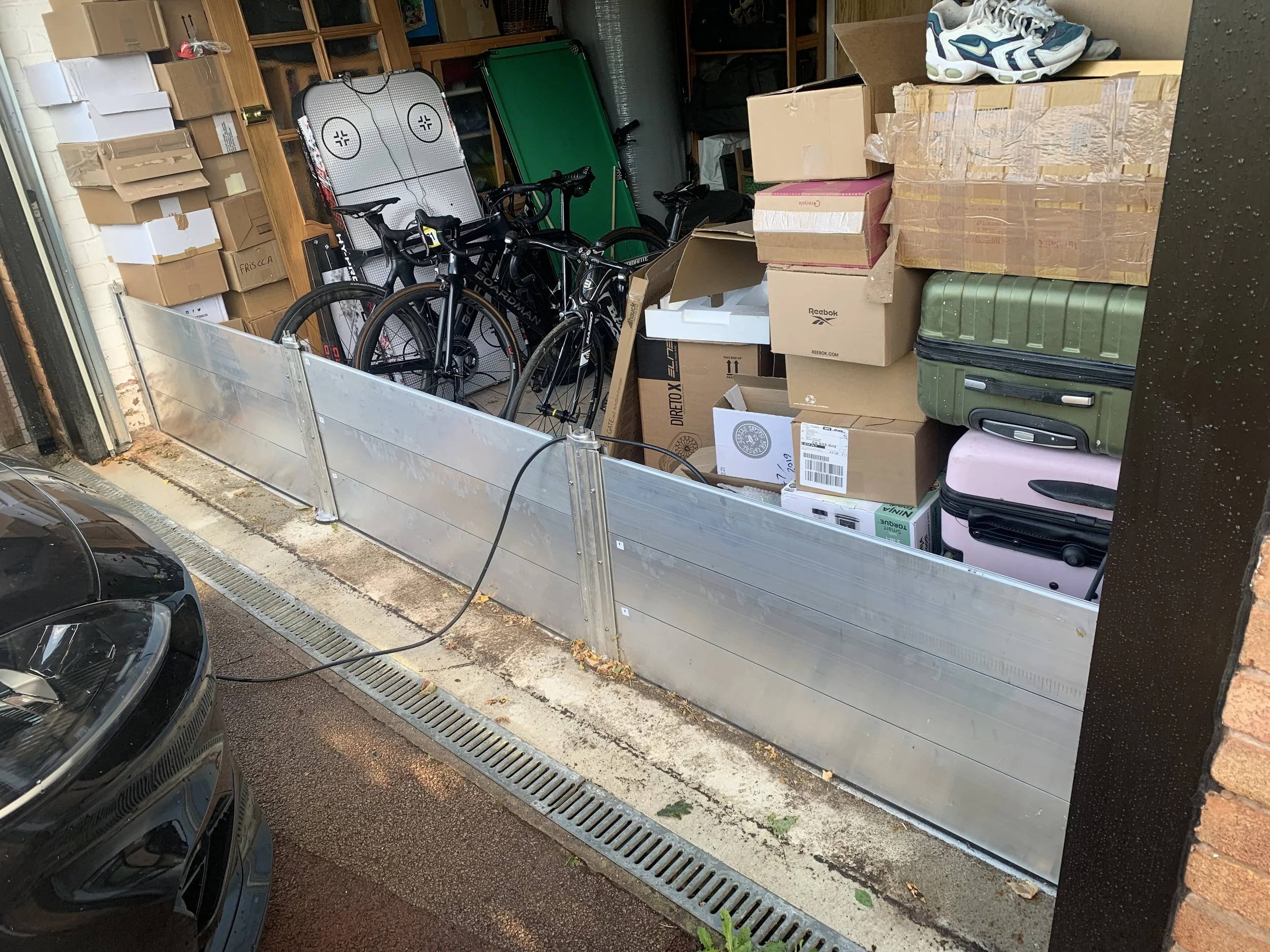
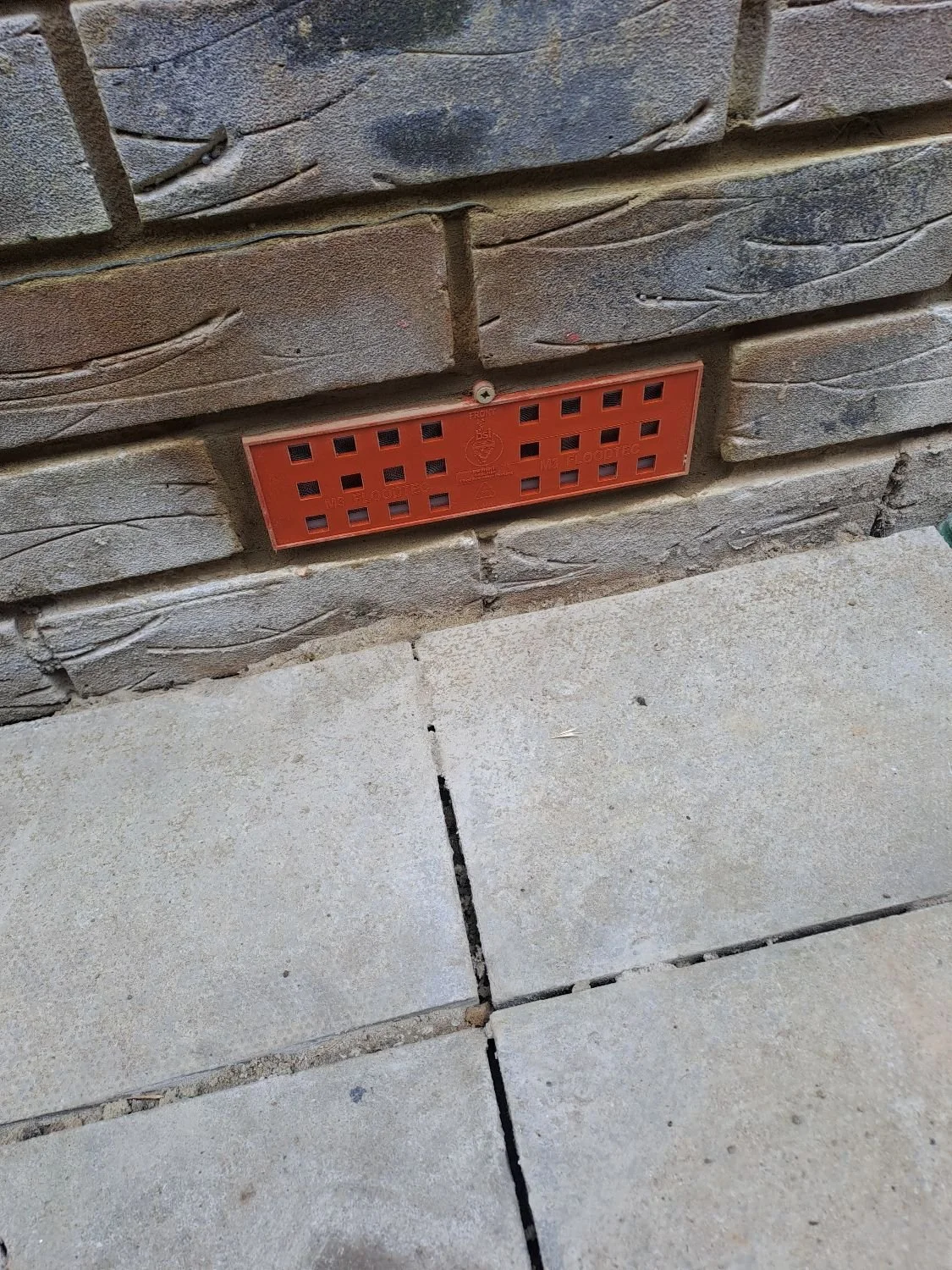
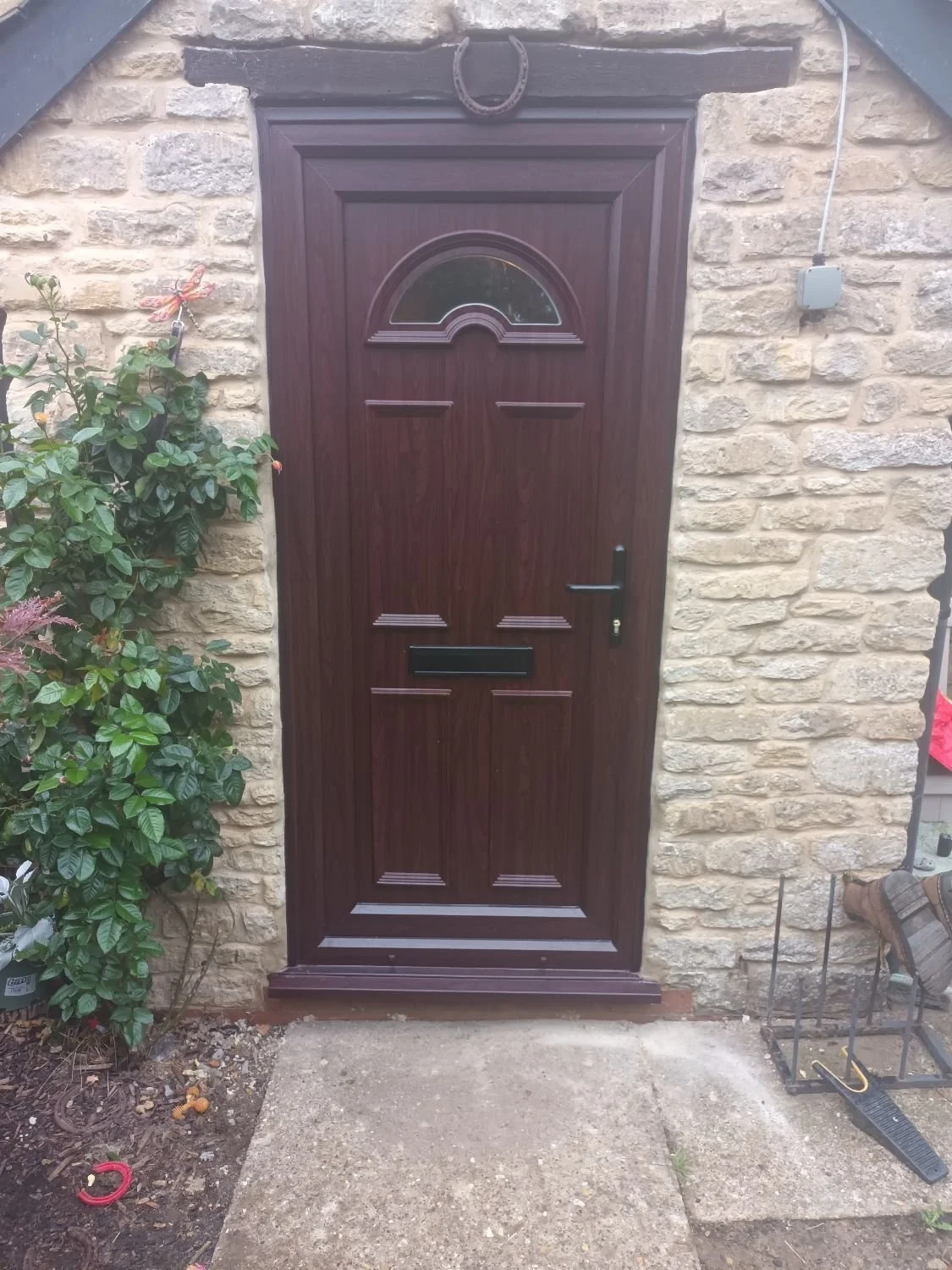
Resistance - which focuses on keeping as much water out of the property using flood protection solutions that are help buildings withstand flooding, such as flood doors, flood barriers, flood gates, non-return valves on drainage, brickwork repointing, creating cavity drainage systems with automatic pumps, and self-closing air bricks.
Recoverability - this focuses on adaptations inside of a building, so if water does find its way in, it causes less damage and makes recovery far quicker. Examples of this include moving electrical sockets higher up walls, replacing carpets with tiled floors, using water-resistant materials inside buildings, elevating white-goods so they are not at floor level, etc.
Reduction - this focuses on ‘slowing the flow’ or water run-off that happens during heavy rainfall, which can include the use of water butts or planters to catch more water, or replacing hard surfaces in gardens or outdoor spaces with permeable options, to allow more water to soak into the ground.
At Watertight International, we describe PFR as helping people take back control.
The first step? A thorough flood risk assessment. Identifying weak spots is key to knowing which flood defences are right for your building — and how to make sure they’re ready when you need them. We also recommend every property at risk has a flood plan in place, so if a warning is issued, you know exactly what to do.
Why it matters now more than ever
With flooding in the UK increasing year on year, the Environment Agency’s more recent national flood risk assessment has determined that more than 6.3 million properties in England are at risk. And if you don’t live near a river or the sea (or your property is on a hill!), don’t be fooled into thinking you’re not at risk. Flooding in London, Manchester or other urban areas is often due to drainage systems that become overwhelmed during storms.
In fact, around 4.6 million homes are considered to be at risk of surface water flooding. And that number is expected to rise to over 8 million by 2050.
That’s why property-level solutions are so important.
Here at Watertight, we design, source, install and maintain bespoke and innovative flood mitigation and PFR solutions - tailored to each site. Whether you're a homeowner, a business owner, property manager, housing provider, or a local authority managing a PFR scheme, we can deliver a PFR solution that is designed to help safeguard what matters most — and ultimately gives you the peace of mind that you're ready, whatever the weather.