Why SuDS Matter
As our climate continues to change, we are experiencing warmer, wetter winters and, as heavier downpours become more frequent, every rooftop, driveway or paved surface contributes to the amount of water entering our drainage systems.
By slowing that water down and allowing it to soak into the ground - or even be stored temporarily - we can help to reduce the overall pressure on local drains and lower the risk of surface water flooding around us.
This is where Sustainable Drainage Systems (SuDS) comes into play and is increasingly considered an important piece of the wider Property Flood Resilience (PFR) jigsaw.
By considering how rainwater behaves across an entire property, from the roof and gutters through to gardens, driveways and surrounding landscaping, it is possible to reduce the amount of water that enters local sewers in the first place.
Rather than allowing water to find its way into local drains and sewers, SuDS slow the flow of water, allowing it to be temporarily stored - or absorbed - before it is gradually released. SuDS can take many forms, including rain gardens, swales, permeable paving, green roofs, water butts, tree planting and SuDS planters.
Small intervention, big impact
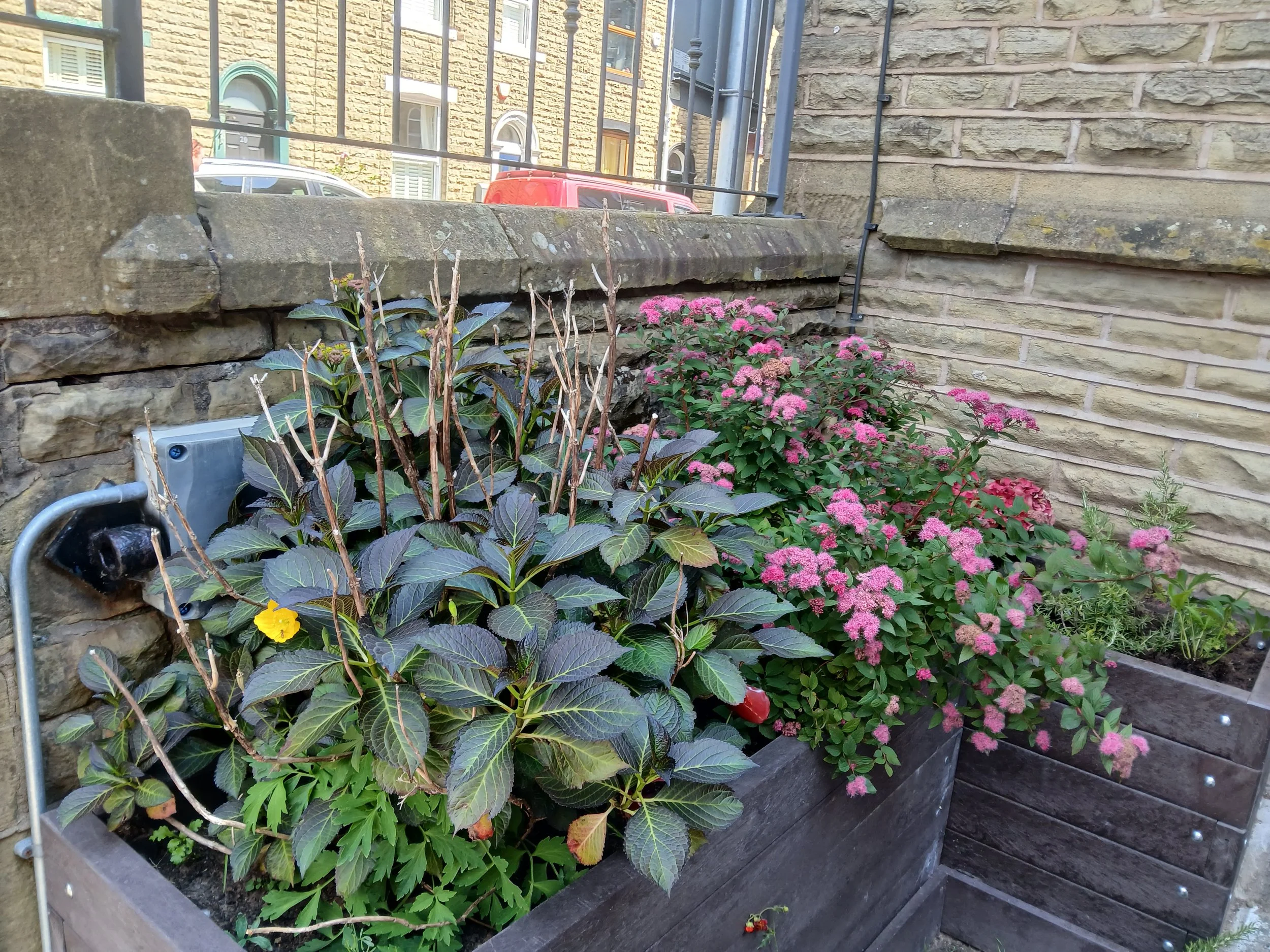
One of the simplest yet most effective is the SuDS planter.
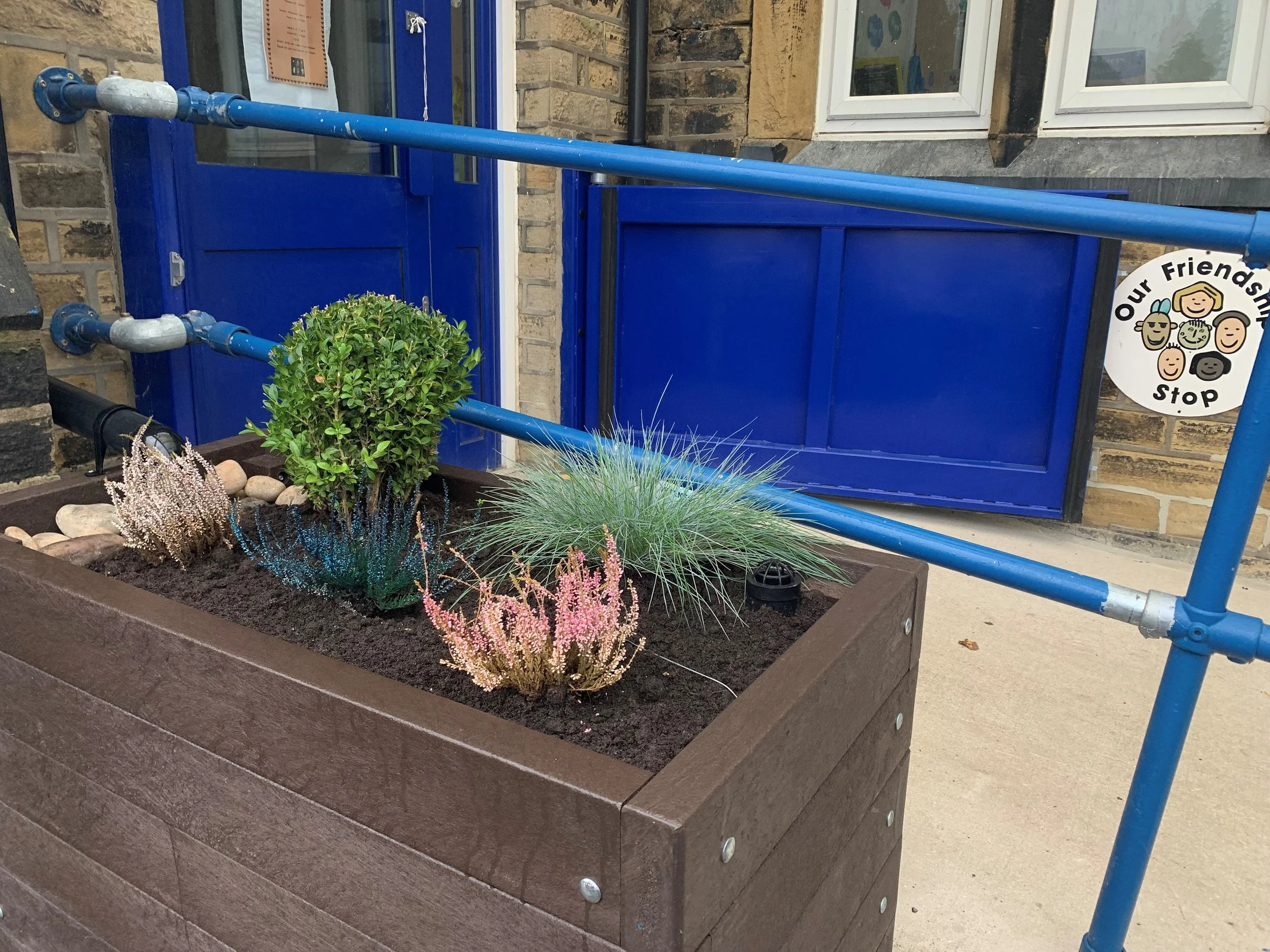
Typically installed beneath roof downpipes, these specially designed planters divert rainwater away from the drainage network and into a contained system where it passes through carefully designed planting and filtration layers. Water is temporarily stored within an integrated reservoir before being released gradually through controlled outlets, while plants absorb moisture through the natural process.
Here at Watertight, our planters can store approximately 300 litres of rainwater, helping to reduce peak flows entering drainage systems during periods of heavy rainfall. At the same time, the planting provides an attractive feature that enhances biodiversity while creating a valuable additional habitat for wildlife.
It's a practical solution that combines engineering with nature, demonstrating how relatively small changes can create multiple benefits. Now imagine that multiplied across an entire street, housing estate, school campus or community. Collectively, these interventions can make a big difference to the volume of surface water entering drainage systems during periods of intense rainfall.
Every drop counts
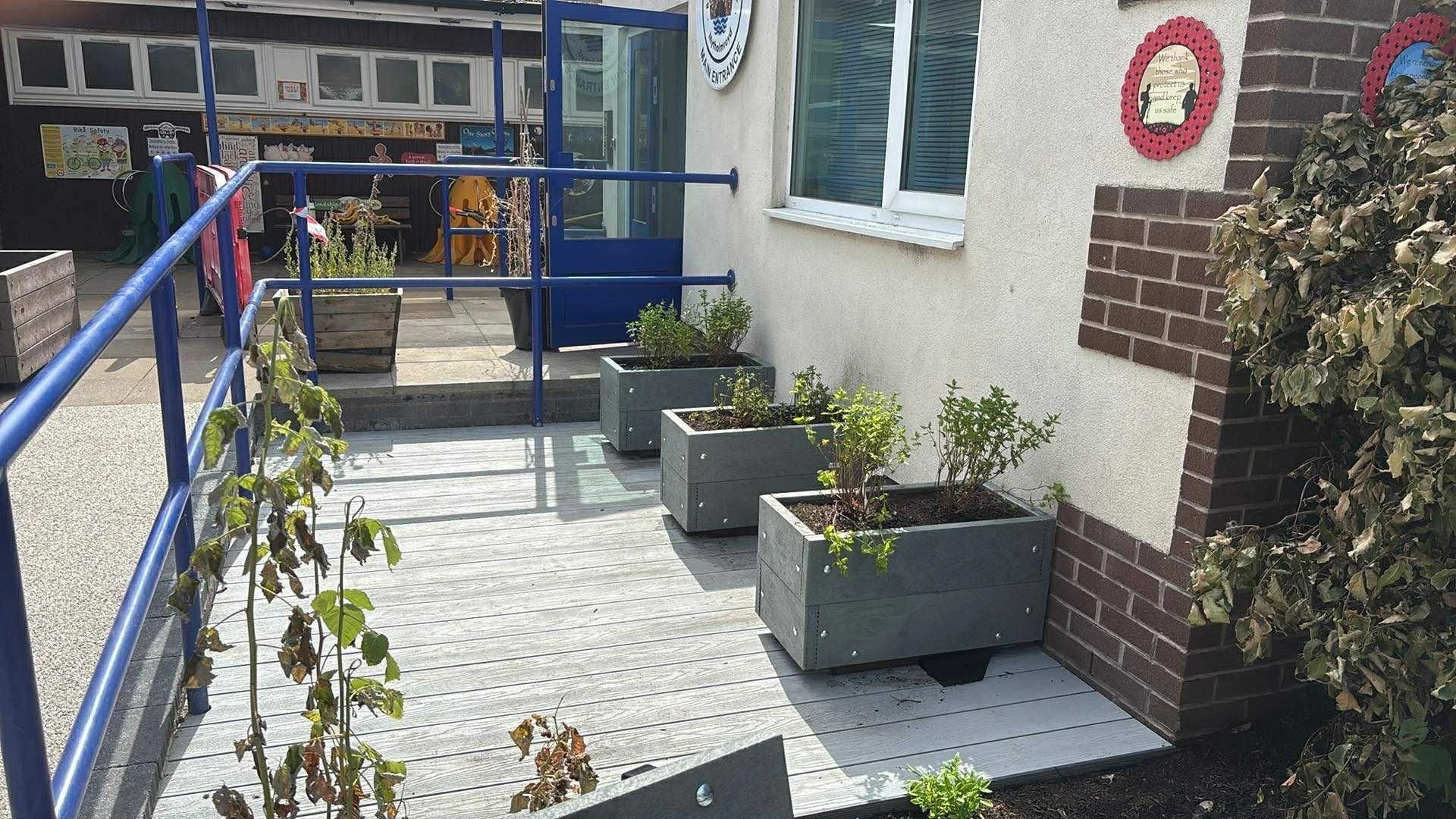
We have been delivering SuDS installations across a range of public and community settings as part of wider PFR programmes. For example, at Burnley Road Academy, SuDS has been used to help manage surface water while also creating a greener, more engaging outdoor environment for pupils.
More recently, Watertight supported a community planting day in Rochdale where local residents and school children came together to plant newly installed SuDS planters. The event highlighted that flood resilience isn't just about installing infrastructure but about involving communities and helping people to understand the role that everyone can play in managing flood risk.
Flood resilience isn't simply about responding to flooding but about planning ahead and managing water more intelligently.
Whether that’s through a SuDS planter connected to a downpipe, a rain garden in a front garden, permeable paving on a driveway or larger drainage features across a school or commercial site, every intervention helps reduce pressure on our drainage systems. That's why SuDS should always be considered as an essential piece of the flood resilience puzzle.