Looking After Our People: Strengthening our Mental Health Support
At Watertight, we often talk about resilience: in buildings, in communities and in the way we approach our work, but resilience starts with people.
Behind every project, every installation and every site visit is a team of individuals, each bringing their own experiences, challenges and strengths to the workplace. That’s why we believe that creating an environment where people feel supported and able to speak openly about their wellbeing is just as important as the work we deliver. This is a big part of our culture and what makes up #TheWatertightWay.
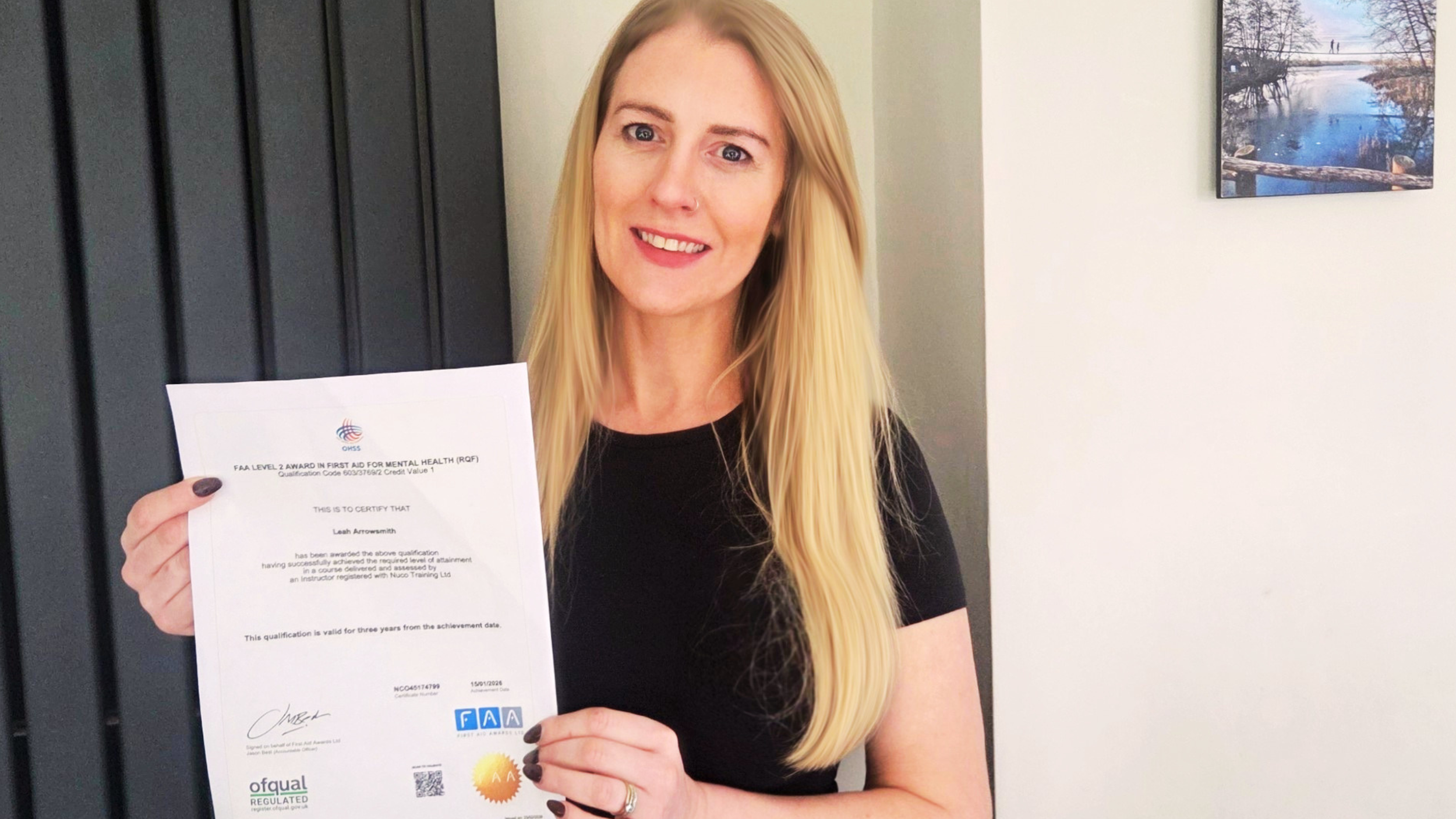
As part of this, our Accounts Assistant, Leah Arrowsmith, has recently completed the FAA Level 2 Award in First Aid for Mental Health, an Ofqual-regulated qualification designed to help individuals recognise, respond to and support those experiencing mental health challenges.
The course, accessed through Halton Business Improvement District, provides practical guidance on how to identify the signs and symptoms of a range of mental health conditions, including stress, anxiety, depression, eating disorders and suicidal thoughts.
Importantly, it equips individuals with the skills to approach conversations with confidence and to signpost colleagues to the right support when it is needed.
Explains Leah: “The course was really good. The main purpose is to be able to help if somebody is having a mental health crisis at work, but you also learn more about the signs and symptoms of different conditions.”
Leah added that one of the most striking takeaways from the training was just how common mental health challenges are:
“They said 1 in 6 employees in the UK suffer with a mental health disorder. I was with a lovely group of people on the course, but I was shocked to learn that out of the eight people I was paired with, more than half had suffered with their mental health. It really opened my eyes.”
Having a Mental Health First Aider within the team is an important part of building a supportive workplace culture. It creates a place where people know they can reach out to a trained person who can listen, support and guide colleagues towards appropriate help if needed.
Whether in the workplace or outside of it, understanding how to recognise when someone might be struggling (and knowing how to respond) can make a real difference.