
Flooding, Mental Health and Why Preparedness Matters
When flooding happens, the damage isn’t just physical. For many people, the lasting impact is emotional – and not just at the actual time of flooding but well after the water has gone.
When we participate in community engagement events across the country, we hear from many people who are filled with anxiety about the ‘next storm’. We see first-hand how flooding affects mental health.
We do however also witness something else - how being prepared can significantly reduce fear, stress and uncertainty.
We’ve seen the difference in individuals who have taken the steps to be better prepared for flooding, whether that’s creating a plan, making adaptations to their homes from a recoverability point of view, through to installing specific measures.
Preparedness provides a sense of control, and while preparation doesn’t eliminate the threat of flooding, it changes the experience from one of fear to instead empowerment. It gives people a clear plan of knowing what to do and when to do it, when a flood alert or warning is received.

The Positive Impact of Property Flood Resilience
Property Flood Resilience (PFR) can be described in a number of ways, including
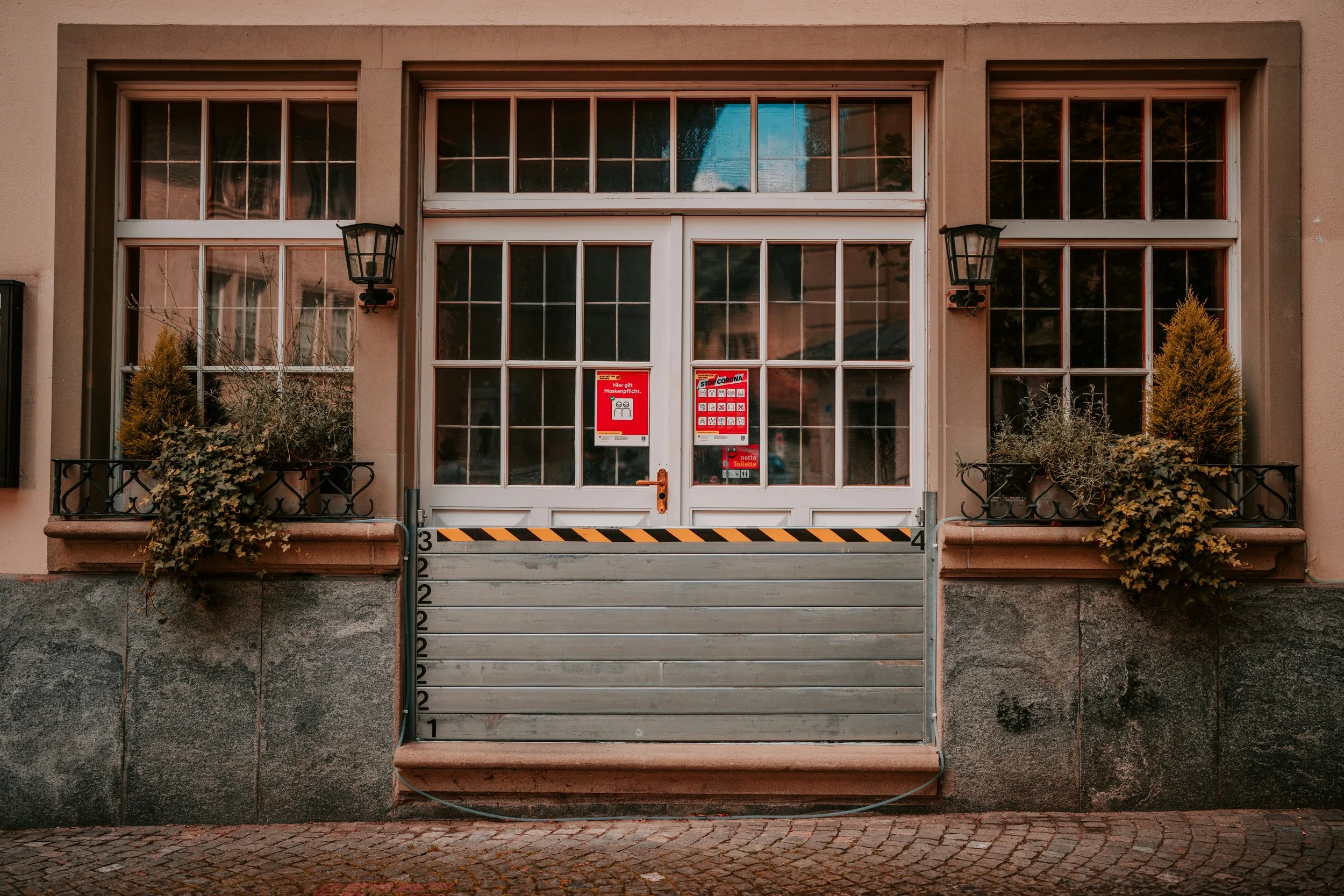
Resistance measures – these are systems and products that help keep water out, such as flood doors, flood barriers, self-closing airbricks, pumps and non-return valves, to name a few.
Recoverability measures – by making adaptations to your home, such as raising electrics, installing tiles or hard flooring instead of carpets, and using water-resistant materials, these enable homeowners to recover more quickly, with less disruption is water does find its way in – with less time out of your home, fewer insurance claims and lower repair costs
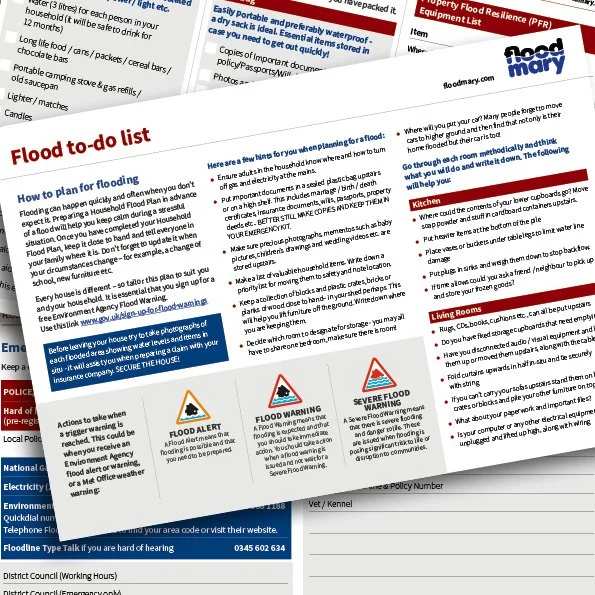
Preparedness – planning is key and therefore creating a flood plan and signing up for flood alerts, gives you more time and a clear plan to follow in the event of a flood warning.
Together, these various measures don’t just help to better protect buildings, but they provide reassurance. Post installation, people regularly tell our team that they feel calmer and more confident because they know their property is better protected and that they have a plan.
The mental health impacts of this cannot be underestimated.
Taking Back Control
Flooding may be on the increase but feeling helpless doesn’t have to be part of the experience.
PFR, and digital tools such as Resilico, help to empower people to take greater responsibility for their flood risk, understand their options and take practical steps to safeguard what matters most. That sense of control is often the biggest mental health benefit of all.
At Watertight, we believe flood resilience is about peace of mind as much as resilience. It’s about helping people feel safer, supported and prepared and not just during a flood, but every time the rain starts to fall.
As far as we are concerned, flood resilience isn’t just about buildings, it’s about people and we are proud to support both.
Useful Resources:
FloodMary.com:
Preparedness Resources: https://floodmary.com/help-and-resources/how-to-reduce-the-impact-of-a-flood-at-a-property-level/are-you-at-risk-of-flooding-find-out-make-a-plan-and-reduce-the-impact/
Household ‘Flood To-Do List’: https://floodmary.com/wp-content/uploads/2025/07/Household-flood-to-do-list-2025.pdf
Image Credits:
A Flood-Ready House and Example Flood To-Do List: http://www.floodmary.com
Flood Barriers in Place: Claudio Schwarz/Unsplash.
